
Short summary
Shield Master Fund held approximately $480 million of investor money when it collapsed in 2025. Thousands of Australians were invested into the fund through financial advisers, superannuation platforms, APRA-regulated super funds and self-managed super funds (SMSFs). In many cases, investors believed they were receiving professional financial advice and had little understanding of the complex and high-risk investments that ultimately sat behind their retirement savings.
The collapse of Shield has become one of Australia’s largest investment failures. Allegations continue to be investigated by ASIC, with legal action commenced against multiple parties involved in the management and oversight of the fund. Serious questions have been raised about the role of financial advisers, licensees, trustees, platforms, research providers and fund managers in allowing such significant investor losses to occur. While responsibility continues to be disputed across the financial services industry, thousands of Australians remain focused on one outcome: recovering their retirement savings.
- ~$480 millionof investor money when the fund collapsed in 2025
- Thousandsof Australians invested, many approaching or in retirement
- KeystoneAsset Management Ltd operated the fund
- ASIChas commenced legal action against multiple parties
What was Shield Master Fund?
Shield Master Fund was a managed investment scheme operated by Keystone Asset Management Ltd. It was promoted through networks of financial advisers and dealer groups and became widely used as an investment option within both superannuation and non-superannuation portfolios.
Investors entered the fund through a variety of pathways, including APRA-regulated superannuation funds, wrap platforms and SMSFs. Many were advised that the investments formed part of a diversified retirement strategy, when in reality significant amounts of their savings became exposed to a single, high-risk investment structure.
By the time the fund collapsed, approximately $480 million had been invested by thousands of Australians, many of whom were approaching or already in retirement.
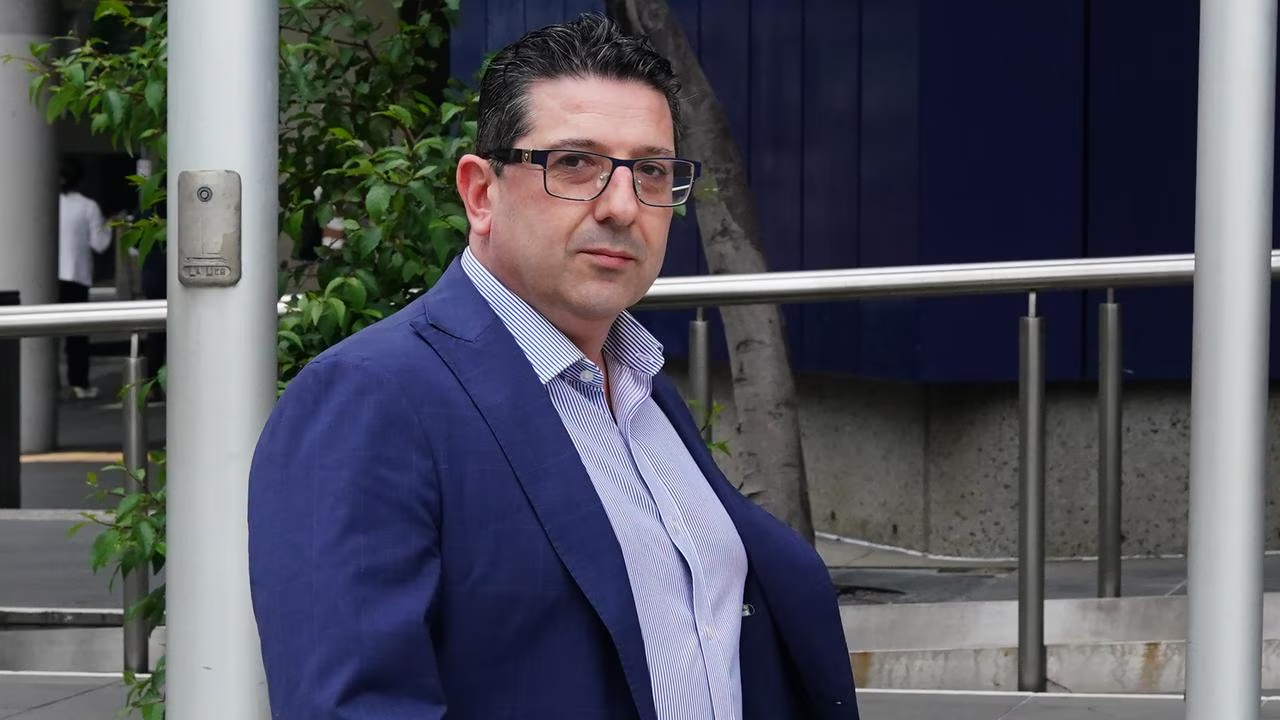
Paul Chiodo
Shield Director
The allegations
The collapse of Shield Master Fund has exposed alleged failures across multiple levels of Australia’s financial services system.
- ASIC has commenced civil proceedings against Equity Trustees Limited, alleging the responsible entity failed to meet its obligations to properly supervise and protect members of the fund.
- ASIC has also commenced proceedings against former directors and members of Keystone Asset Management’s compliance committee, alleging breaches of their duties in the operation of the fund.
Beyond the regulator’s proceedings, broader questions continue to be asked about the role of financial advisers, AFSL holders, research houses, investment platforms and other gatekeepers that recommended or facilitated investments into Shield. Many investors maintain they were never fully informed of the risks, complexity or concentration of the investments they were being placed into.
As with several recent investment collapses, each participant within the advice and investment chain has largely sought to shift responsibility elsewhere, while investors continue to bear the financial consequences.
Recovery and compensation
The recovery process for Shield investors is complex and continues to evolve.
Liquidators and ASIC
Liquidators are working to recover assets from the collapsed fund, while ASIC’s enforcement action seeks to hold parties accountable for alleged breaches of the law.
AFCA complaints
Many investors have lodged complaints with the Australian Financial Complaints Authority (AFCA) against their financial advisers or Australian Financial Services Licence (AFSL) holders.
Compensation Scheme of Last Resort (CSLR)
Where an AFCA determination cannot be paid because the financial firm has failed, eligible investors may also be able to access compensation through the CSLR. The availability of these pathways depends on how each investor entered the fund and which entities were involved in providing the financial advice.
How SOS Save Our Super helps
SOS Save Our Super continues to support Shield investors by providing information, assisting with AFCA complaint pathways, advocating for stronger investor protections and working with regulators, politicians and industry stakeholders to pursue meaningful compensation for those who have lost their retirement savings.